“Every despot who has ever lived has learned, eventually, that an empire is a sluggish thing, set in its inertial path by history. They grow of their own power or die by their own weight, and one life’s worth of power can only steer the ship an inch, not a mile.”
This is true but I can only vouch for stock Android.
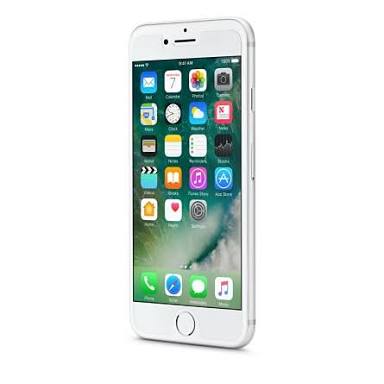
I’ve been using an iPhone for nearly six months now and I can say that iOS as a mobile OS is less useful in every way. There are literally fewer things you can do with your phone and some of the things that you can do—such as sharing across apps—is much worse and stupider than on Android.
The only counterexamples I’ve seen are with heavily skinned Androids such as Samsungs which interpose themselves too much or disable perfectly useful Android features.
Originally shared by Glenn Murray
Watching a low-tech person use an iPhone. All the things that repeatedly fail, frustrate and confuse them are intrinsically iOS problems. Then I pick up my Android and do those same things in a heartbeat, and they’re impressed by my tech skills. But suggest they get an Android and, “No, I like my iPhone because it’s so easy to use. It just works. I know how to do everything I need to.”
People with cracked touch screens or similar smartphone maladies have a new headache to consider: the possibility the replacement parts installed by repair shops contain secret hardware that completely hijacks the security of the device.
This is Google’s ripoffclone remarkably similar implementation to hyperHTML. It’s a lightweight templating system based on es6 which doesn’t use a virtual dom. If you didn’t completely get hyperHTML, try reading the readme doc here. It explains the concept of both systems very well. Of the two libraries, hyperHTML is much more solid and mature.

 John Hardy Developer